
What Is Mad Honey?
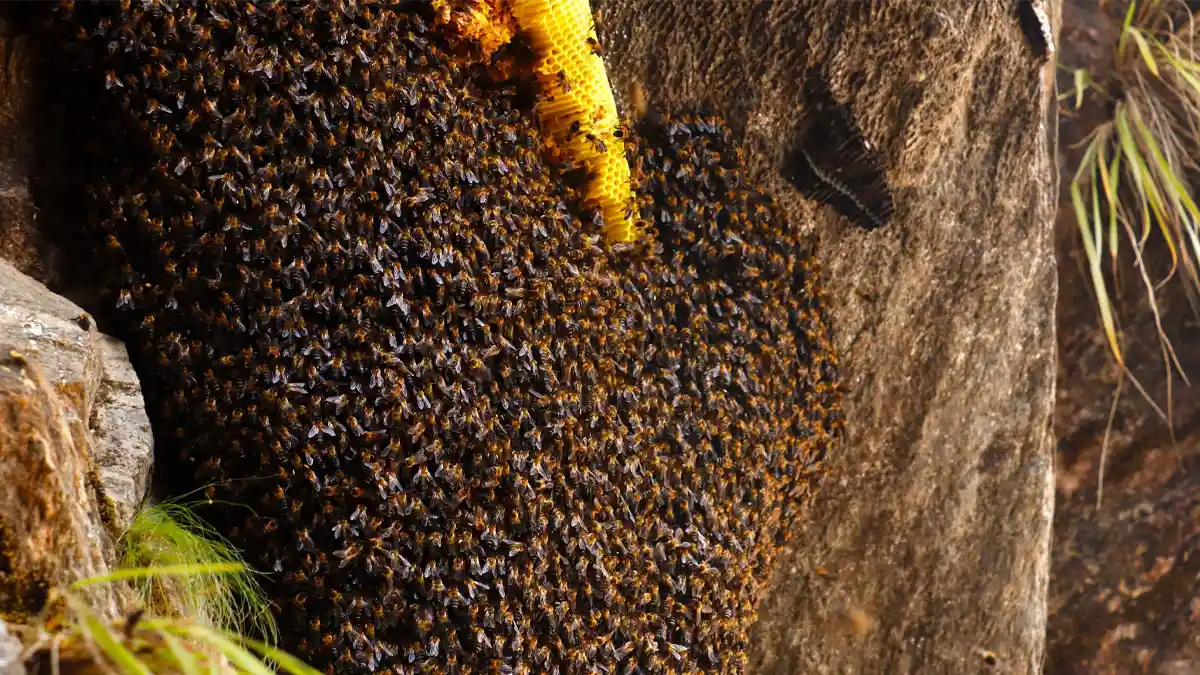
Mad honey from Nepal, a Himalayan honey variant, is predominantly found in the lofty altitudes of the Himalayan mountains of Nepal and other regions where rhododendron trees flourish. This honey is special because the presence of neurotoxic and hallucinogenic chemical and contains enormous health benefits.
Nepal, celebrated for its Greater Himalayas and diverse botanical species, stands as the principal source of mad honey.
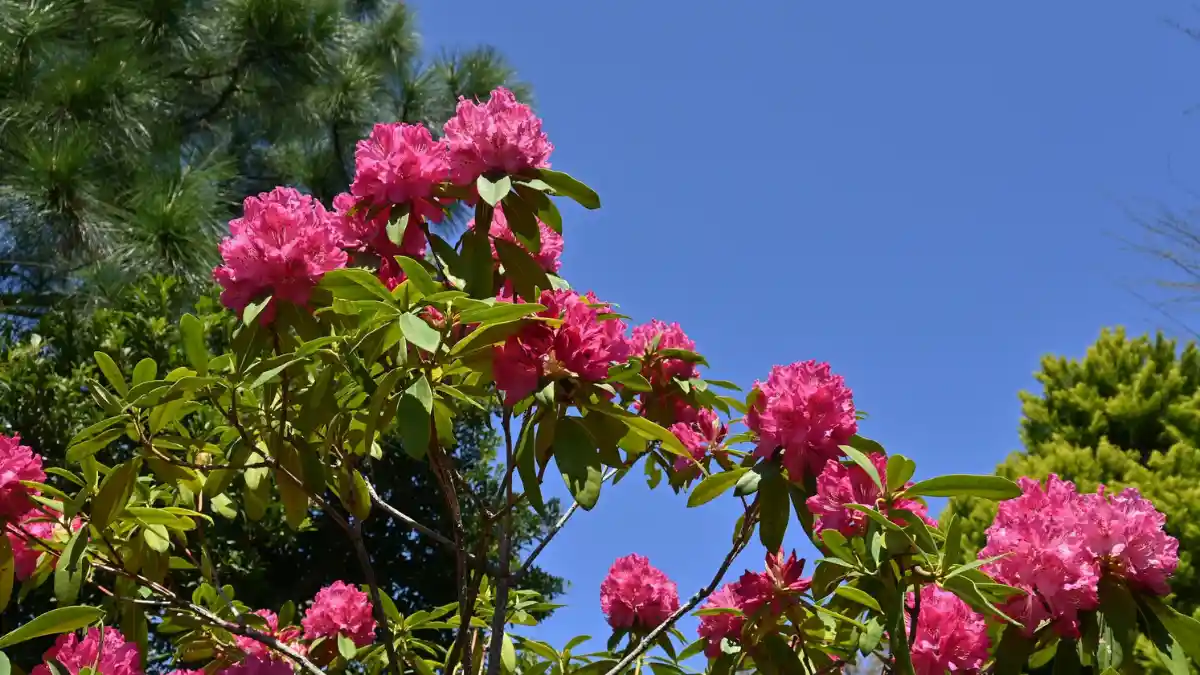
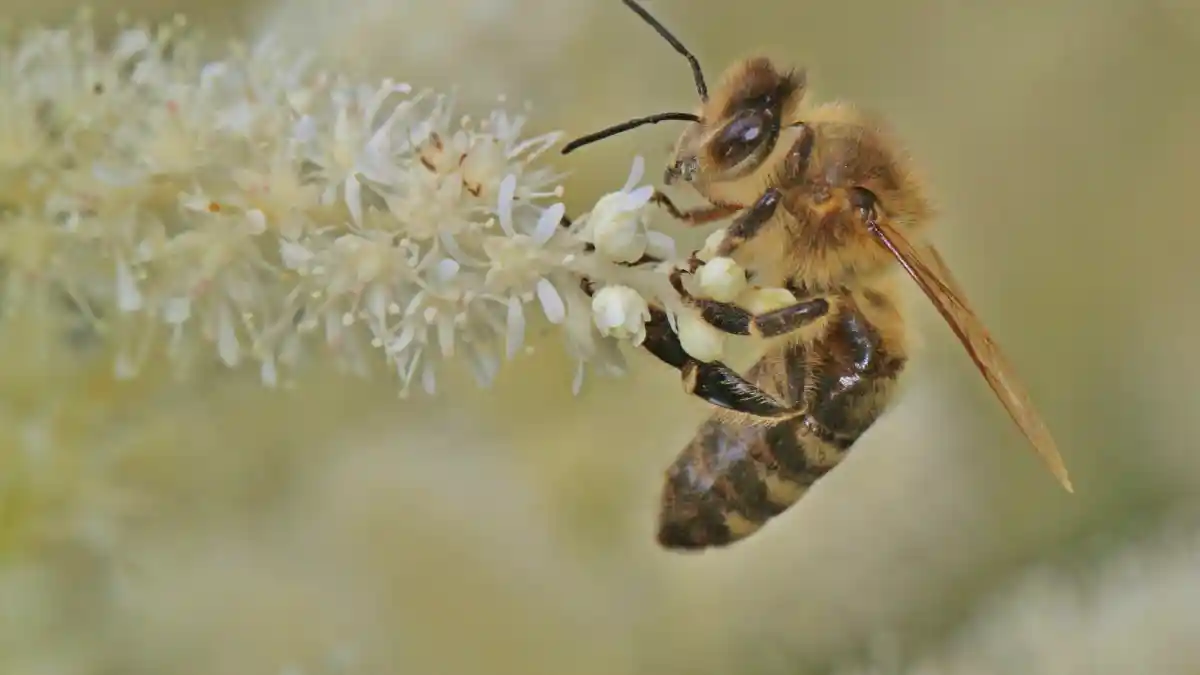
The bees gather nectar from the rhododendron flowers, grow in forests above certain altitude of the Himalayas. Rhododendron flowers secrete a neurotoxic substance known as grayanotoxin, which gives mad honey its unique hallucinogenic qualities.
Conversely, Himalayan honey, from mountain villages and forests of the Himalayas, shares its origin but different in properties. Although, the floral source of Mad and Himalayan honey is nectar of wildflowers in the Himalayan forests and are rich in flavour, nutrients, vitamins, and antioxidants; the qualities of honey, vary based on the nectar source, and the harvesting season plays an important role.
Natives believe that Mad honey will cause hallucinations and psychoactive effects. The presence of the chemical component grayanotoxin causes this behaviour. Mad honey has its benefits, and it is important to use it in moderation. Excessive consumption render it toxic, can cause dizziness, nausea, vomiting, blood pressure drop and loss of consciousness, sometimes even death. It is advised to consult with a doctor or healthcare provider before using mad honey, especially if you have any underlying health conditions.

Hunting for Mad Honey is a dangerous activity, due to the bee hives are found in treacherous and steep locations, requiring skilled farmers to reach the overhangs and high cliffs where bees build their large hives. Finding the other types of Himalayan honey can also be challenging, but does not usually involve such extreme conditions.
Mountain people use Mad honey for various purposes. The definitive potential health benefits of mad honey remain ambiguous, but the locals strongly believe of its efficacy. In small doses, it is used to treat ailments such as hypertension, diabetes, and as a natural painkiller. Mad honey in general boasts about its hallucinogenic effects, like a natural way to experience altered states of consciousness. It is also considered to be an aphrodisiac, believed to improve libido.
The Bees Behind Mad Honey
Can Any Bee Produce Mad Honey?
Mad Honey Beyond Nepal
Nepal is one of the major producer of mad honey, and is also found in other places. In Turkey, in the Black Sea region, mad honey is known as ‘deli bal.’ Bhutan, certain parts of India, particularly in the Himalayan regions, and some mountainous areas of South Korea and Japan also produce mad honey.