
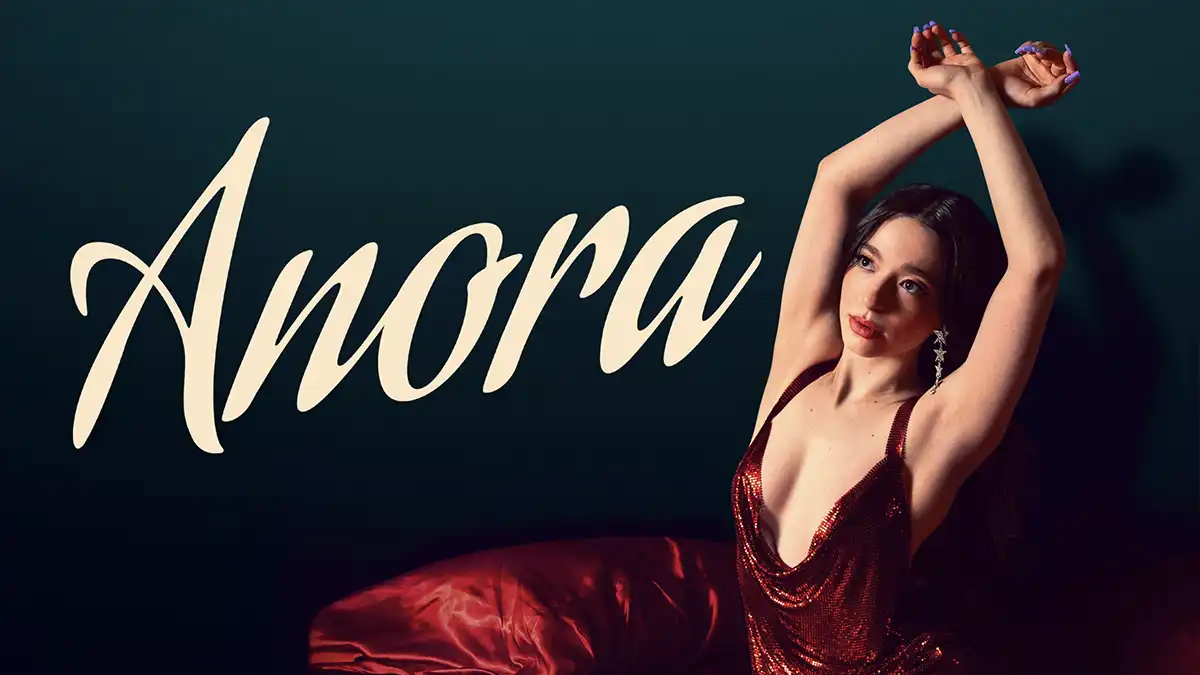
Anora: The Most Misunderstood Film of Recent Times & Why It Is a Cinematic Masterpiece

~Reading Time: 4 to 6 min

When I was studying cinema during my graduation, one of my teachers once said, “Art gives a voice to the voiceless.” At that time, I did not fully understand what he meant. But after discovering a series of films that focused on marginalised communities, that statement began to make sense. These films do not promise justice overnight. Instead, they start conversations. They reflect everyday struggles, systemic oppression, and realities that are often ignored.

Anora belongs to this category of cinema. Sean Baker creates a world that initially feels like a fairytale, but deeper, it exposes a darker and uncomfortable reality that many prefer not to acknowledge.
Anora 1

Anora and the Illusion of the American Dream

Anora is the story of a Russian immigrant professional stripper named Anora, brilliantly played by Mikey Madison. She is also known as “Ani” and is charming, confident, and emotionally guarded. Because she speaks Russian, she is introduced to a 21-year-old Russian boy named Vanya. Vanya asks Ani to be his temporary girlfriend for fifteen days, and she agrees. During one of their interactions, we learn that Vanya is the son of a highly influential Russian family.
Their relationship escalates rapidly. While visiting Las Vegas, Vanya impulsively proposes to Ani, and she accepts without fully considering the consequences. This is the moment where the relationship becomes emotional, at least for Ani. She opens herself up emotionally and begins to believe in the possibility of a different life. As an audience, we sense that Vanya is not serious and may abandon her when reality intervenes. It feels too good to be true, and it is. When they return home, everything changes.
Anora 2
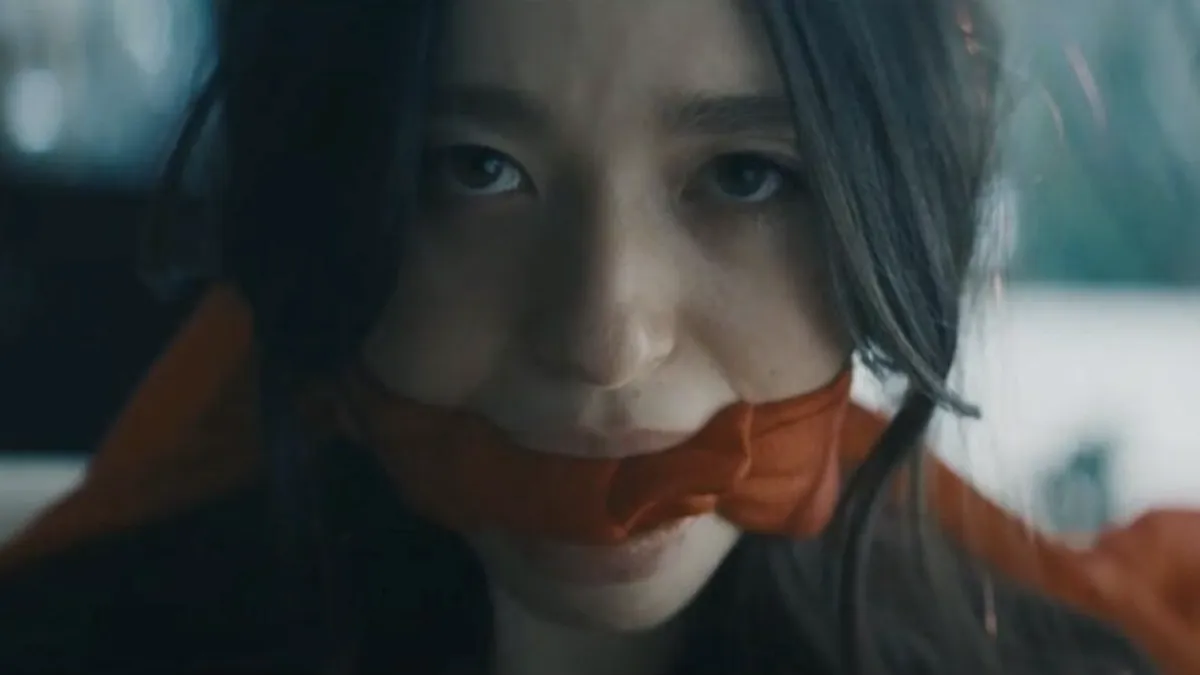
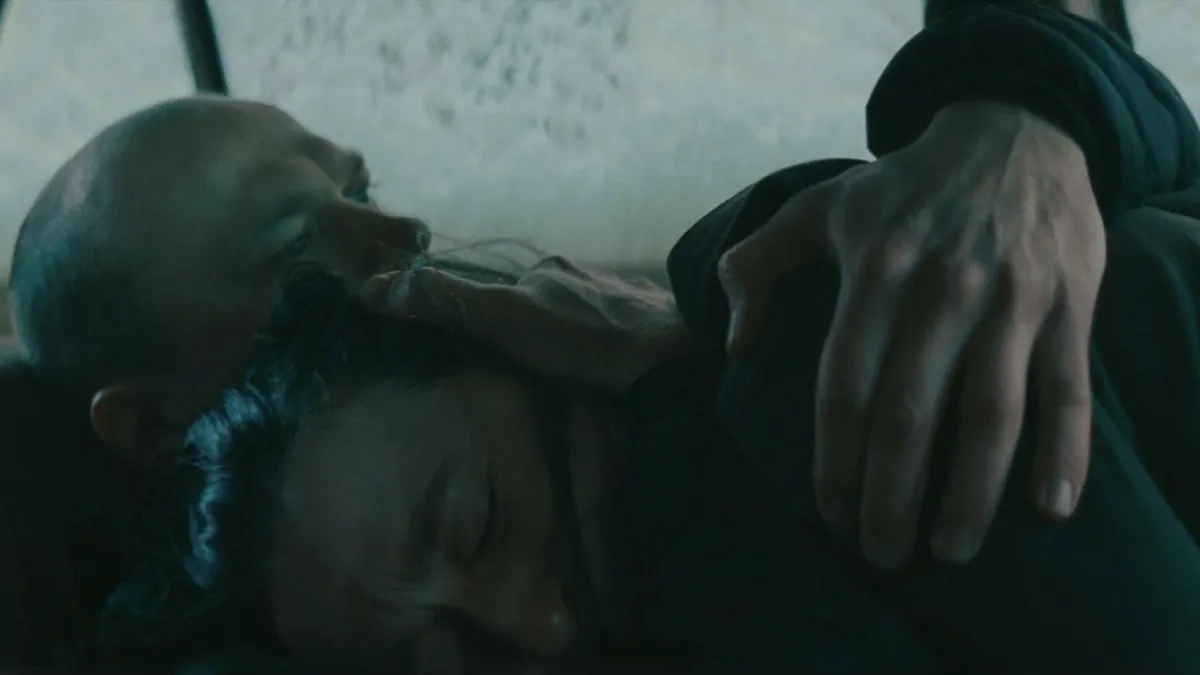
The first forty to forty-five minutes of the film are intentionally distracting. Baker lulls the audience into comfort, romance, and fantasy. But once the first act ends, the narrative spirals out of control for Ani. Early in the second act, there is an extended sequence lasting nearly twenty minutes that portrays a wide range of emotions. Ani is pushed into a situation that is entirely beyond her control. She faces violence, assault, humiliation, and heartbreak all at once. Her version of the American Dream shatters completely.
This sequence is emotionally overwhelming. The emotional shocks are not loud or dramatic but internal and devastating. We expect Vanya to take a stand for Ani, to show responsibility or courage, but he does not. Instead, he runs away. The audience is rendered powerless, forced to witness Ani’s suffering without any intervention.
When Ani finally meets Vanya’s parents, the core theme of the film begins to speak loudly. Power structures, class privilege, and the illusion of the American Dream are laid bare. Ani is shamed relentlessly. Vanya’s parents demand a divorce, fearing that this marriage will damage their reputation. She is reduced to labels such as “stripper,” “hooker,” and “slut,” stripped of dignity and humanity. In these moments, Ani becomes painfully aware of her position in society.
Anora 3
This is where her character arc becomes crucial. Ani slowly returns to reality. The dreams she briefly allowed herself to believe in were never meant for someone like her, at least not in the world she inhabits. As the divorce proceedings unfold, she begins to form a strange and unexpected connection with Igor, one of the men involved in her assault. Unlike the others, Igor shows her a basic level of empathy from the moment they meet. After the divorce is finalised, Igor is instructed to drop Ani back home.

The final sequence of Anora is one of the most haunting examples of visual storytelling in recent cinema. Without relying on dialogue, the film conveys an overwhelming sense of emptiness. Ani offering sex simply to feel understood or acknowledged is deeply heartbreaking. Mikey Madison completely owns this moment, delivering a performance that is raw, restrained, and devastating. Every character in the film feels grounded and real, and Sean Baker ensures that each performance resonates with emotional truth.
Anora 4
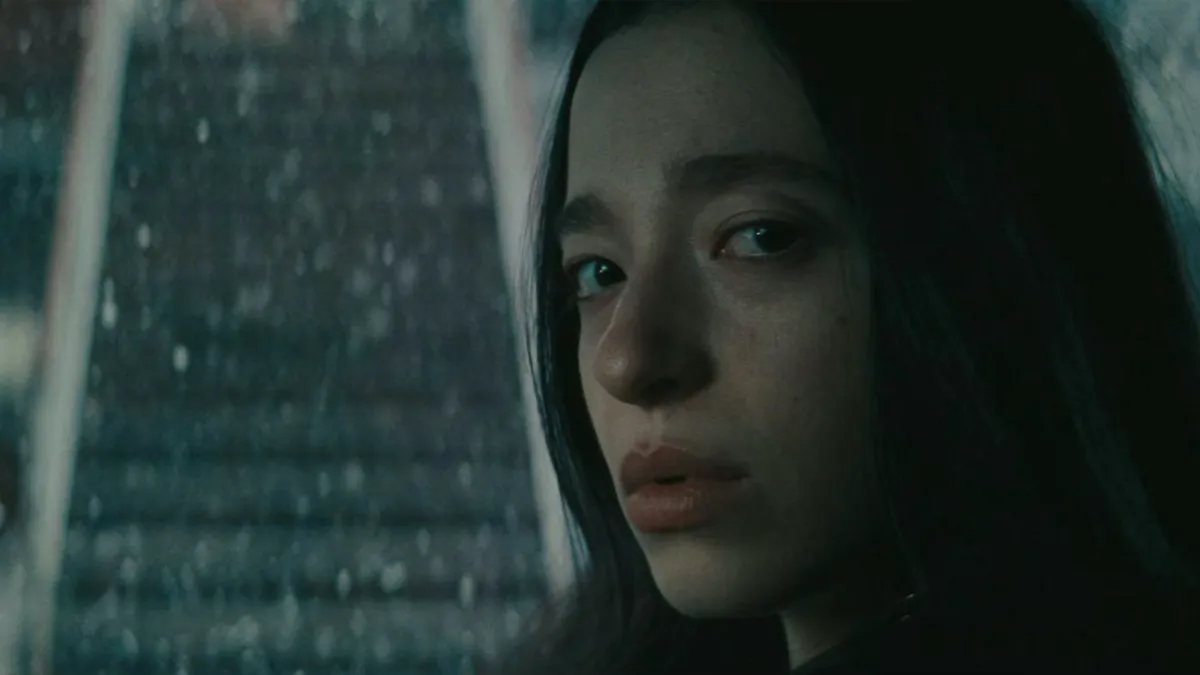
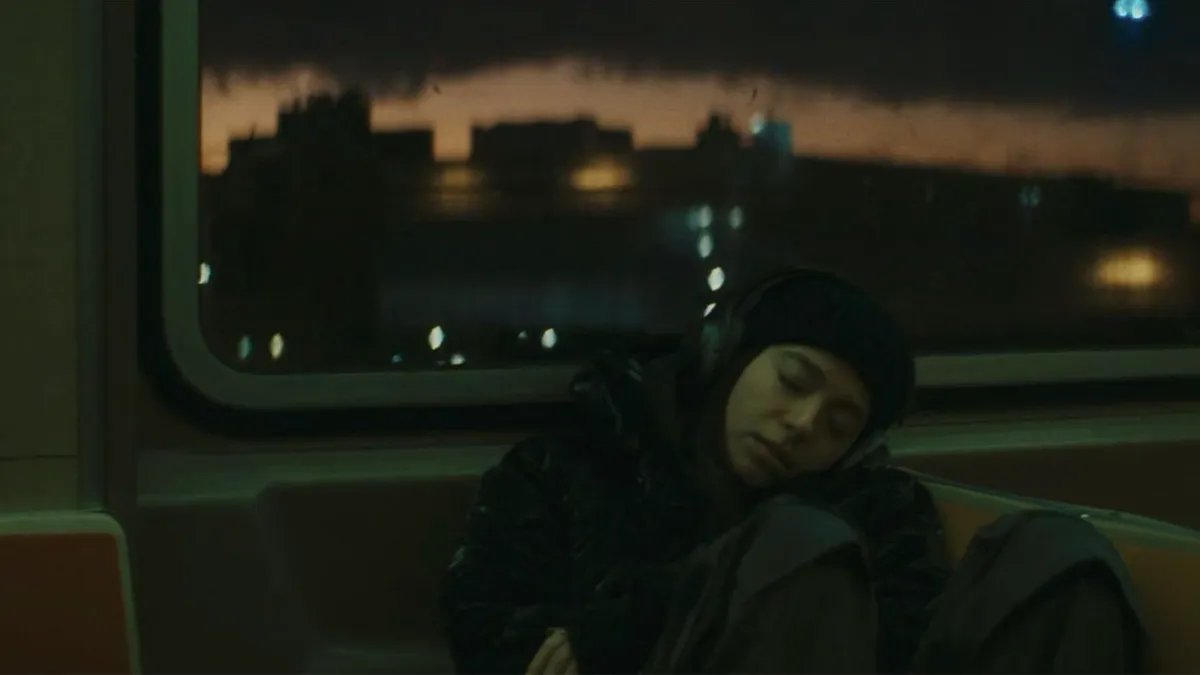
One particularly powerful image shows Ani sitting alone on a train, returning home. She looks exhausted, physically, emotionally, and spiritually. This moment acts as a mirror, reflecting the true cost of the choices she was forced to make. It captures what this life actually looks like beyond illusion and fantasy.
In the end, Anora is not about sex, shock, or provocation. It is a mirror held up to an uncomfortable truth. The power Ani experiences is fleeting and temporary. Baker constructs situations where both Ani and the audience feel helpless and broken. The film does not offer closure, justice, or redemption. Instead, it raises an important and unsettling question about dignity, self-worth, and survival in a world governed by power and class.
Articles by Dhruv

Explore Film Articles Archive by @cinematicdhruv

Share the article and help spread the story :)
Dhruv Mewada
Dhruv Mewada

A filmmaker in the making, Dhruv is passionate about telling stories. His ambition is simple yet powerful: to make films. He writes about world cinema, his experiences in Bollywood, working with John Abraham, and everything he learns on this path. For him, storytelling is not a career choice, it is a calling.

Leave a Reply

Your email address will not be published. Required fields are marked *