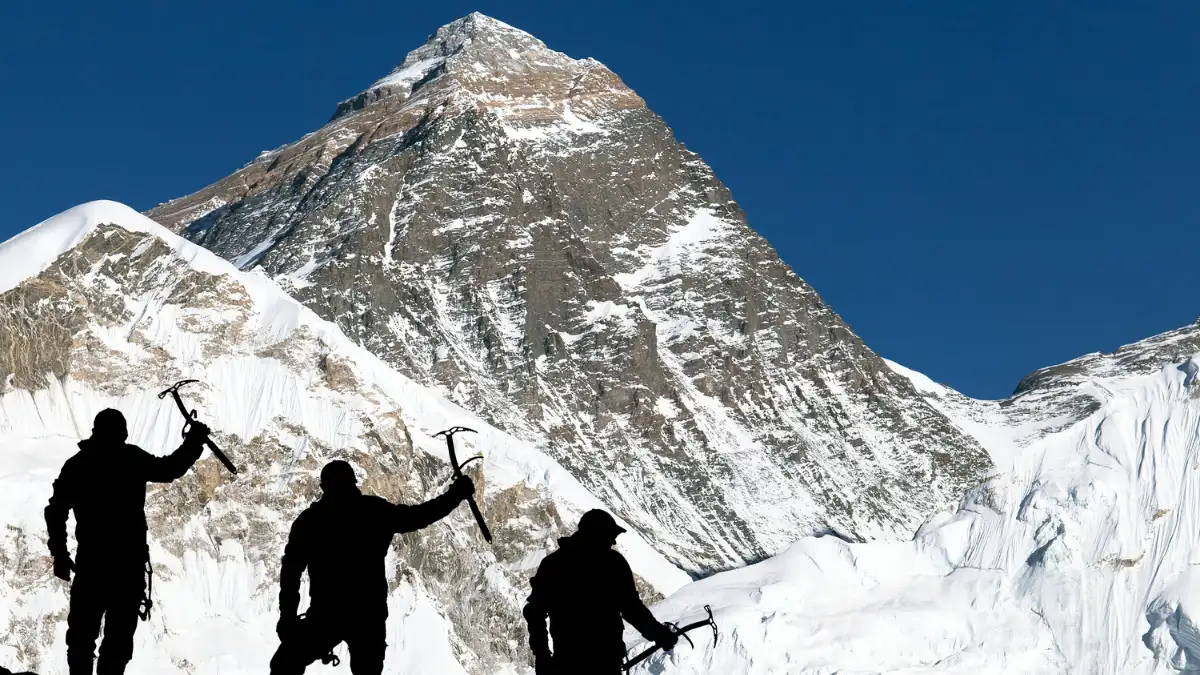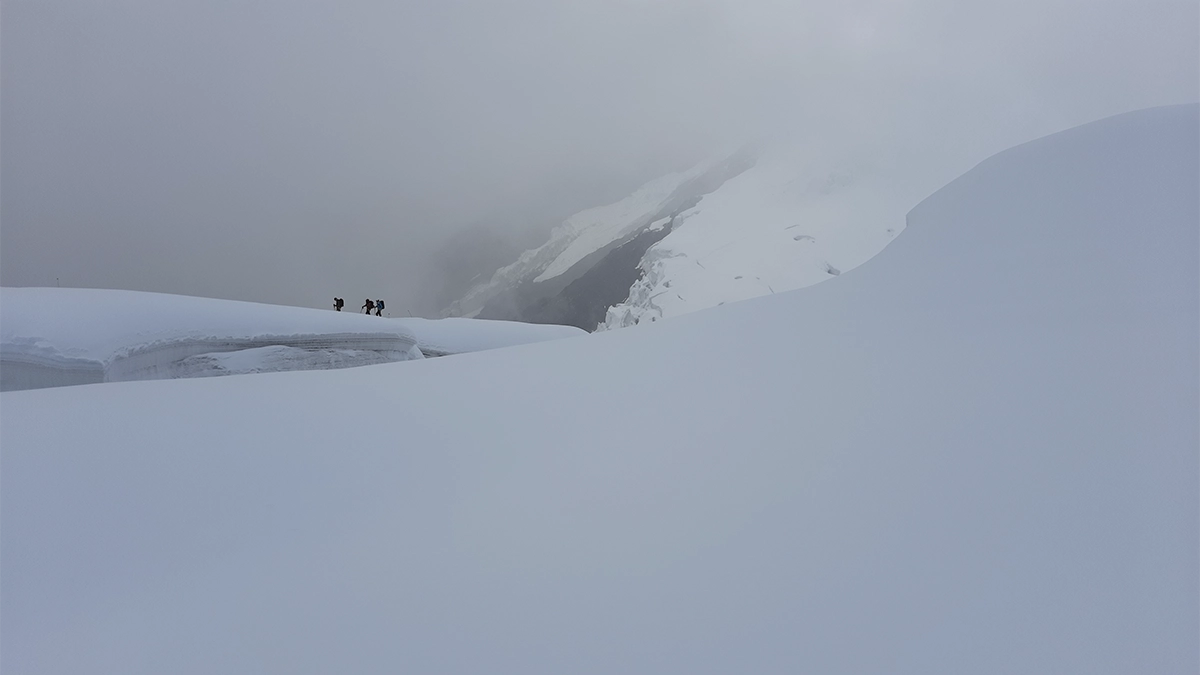
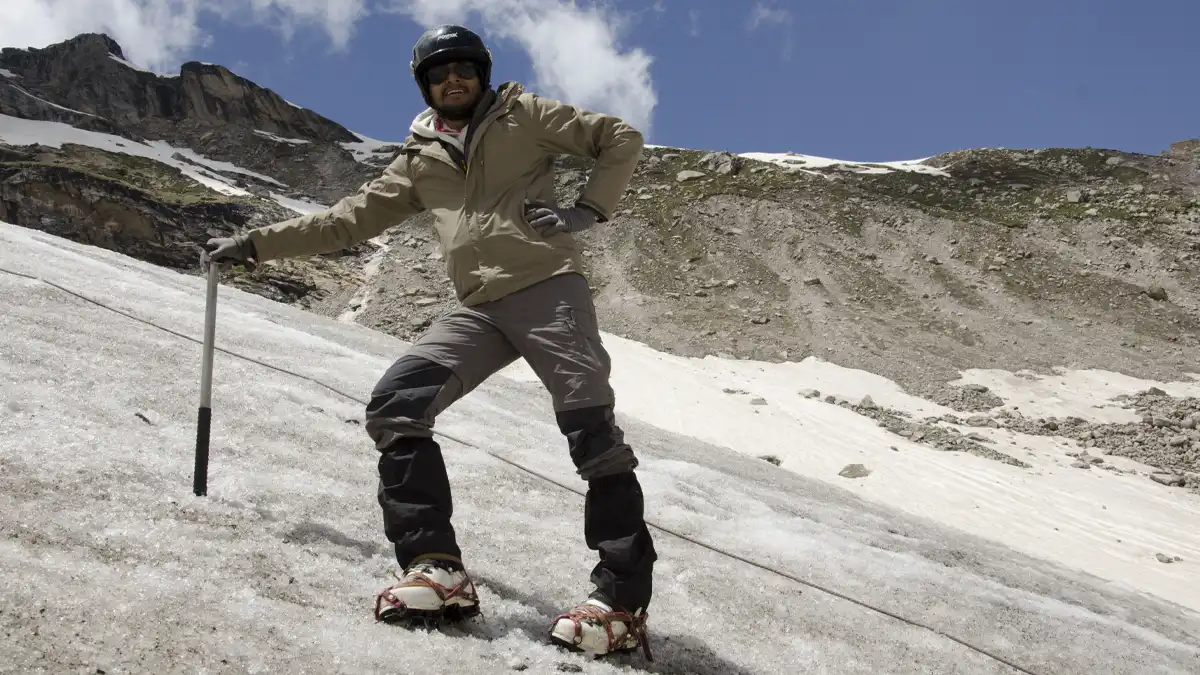

Fitness feels convincing.
You train consistently. You run well. You lift. You track pace, heart rate, and endurance. At sea level, effort produces predictable results. More work leads to more capacity. Strength improves confidence.
It is natural to assume the mountain works the same way.
It does not.
Where Confidence Usually Begins
My early trekking experiences reinforced this illusion.
My first high-altitude trek was in 2014, reaching around 13800 feet. It felt manageable. Later came Sandakphu, which is below 3500 meters. It felt easier than expected. I returned stronger, more confident, and convinced that I understood what altitude demanded.
Over time, I met people who climbed bigger mountains. One of them invited me to join an expedition to Deo Tibba.
I prepared the way I knew how. Gym training. Treadmill running. Four kilometers in twenty five minutes. Some strength work. I felt ready.
What I lacked was not effort.
It was exposure.
I had spent one day, a year earlier, at around 3800meters. That was my only reference point. With that confidence, and with all the ignorance that confidence allows, I moved quickly to five thousand meters and came back just as quickly.
It was an utter failure.
What Actually Went Wrong
It is easy to describe that attempt as poor preparation.
That explanation is too shallow.
What failed was not fitness alone. What failed was the assumption that fitness transfers cleanly to altitude, something I only fully understood later when I experienced the real cost of an unfinished climb.
I believed my preparation was sufficient. In reality, it was nowhere near what sustained movement on a 6000 meter technical mountain requires.
There was overconfidence.
There was excitement.
There was urgency.
There was speed where patience was needed.
The mountain did not negotiate. It simply exposed the gap.
Why Fitness Feels Like It Should Work
This misunderstanding deserves honesty.
Fitness does matter.
Endurance matters.
VO2 max matters.
Load training matters.
Mental confidence matters.
VO2 max reflects how efficiently the body can use oxygen during sustained effort. At sea level, a higher VO2 max often translates into better endurance and performance.
A fit body suffers less.
A fit body recovers faster.
Fitness provides margin when things go wrong.
None of this is false.
The mistake is believing fitness alone is the primary requirement at altitude.
It is not.
Where Fitness Starts to Fail
At altitude, the body is not tested the way it is tested in a gym.
Strength does not disappear, but it becomes less decisive. Large muscle mass increases oxygen demand at a time when the environment cannot reliably supply it.
Recovery slows. Coordination degrades. Pace becomes distorted.
You may feel strong, yet move slowly. You may feel capable, yet make simple errors. You may complete the ascent and struggle on the descent.
Fitness trains output. The mountain demands regulation.
Terrain Is the Real Trainer
The gym prepares you for repetition. Terrain prepares you for unpredictability.
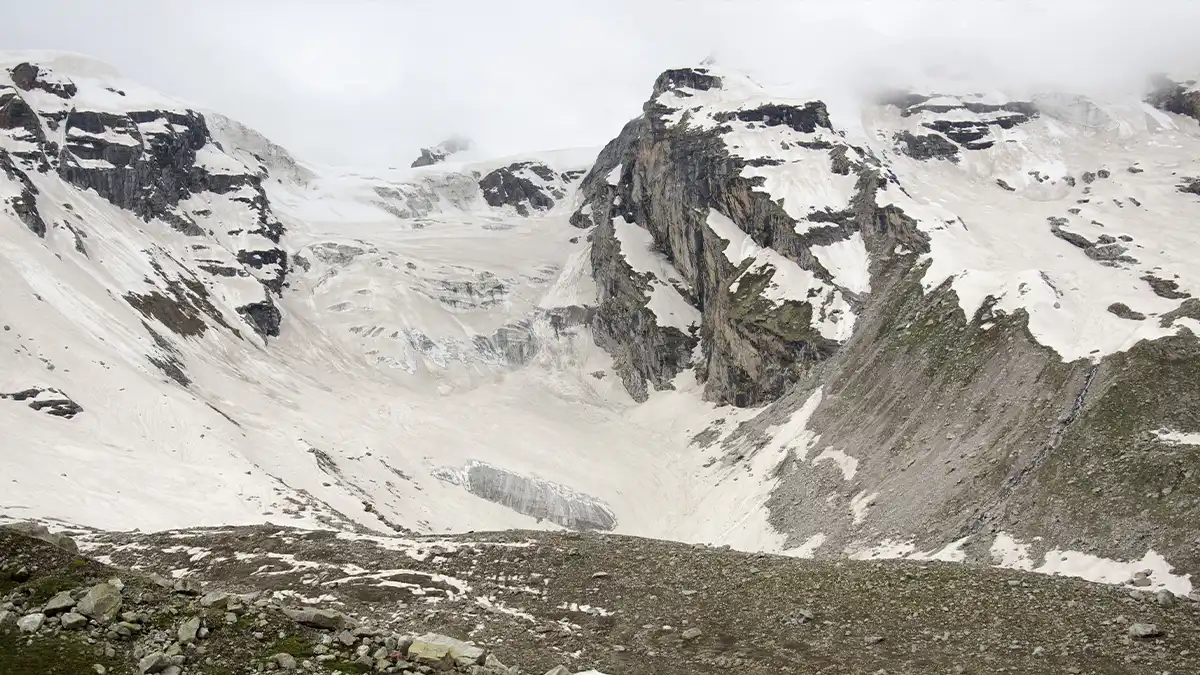
Loose scree, moraine, snowfields that look benign, uneven rhythm, and constant micro adjustments are not solved by strength alone.
Terrain does not reward effort.
It rewards adaptation.
This is why extremely fit gym goers, especially those carrying excess muscle mass, often struggle early at altitude. Not because they are weak, but because their bodies are optimized for a different environment.
What the Body Needs That Fitness Cannot Provide
The missing element is not more training. It is adaptation.
Acclimatization is not a trick or a slogan. It is the slow and uncomfortable process of teaching the body to function with less oxygen, disrupted sleep, reduced appetite, and altered recovery cycles.
No amount of sea level running can fully replicate this.
Fitness prepares the system for effort. Acclimatization prepares the system for altitude reality, which is shaped by terrain, oxygen, and time. And with it the mind that must make decisions.
Without adaptation, fitness becomes blunt force. Impressive, but poorly applied.
What Fitness Is Actually For
This distinction matters.
Fitness does not make altitude predictable. Fitness does not override terrain. Fitness does not protect against poor pacing.
What fitness does is reduce suffering.
It shortens recovery.
It provides margin.
It buys time when mistakes happen.
The Core Misunderstanding
The mountain is not a gym.
It does not measure output.
It does not reward intensity.
It does not care how prepared you feel.
It exposes what the body cannot negotiate. Oxygen, terrain, time, and accumulation.
Strength is useful. Endurance is useful. Confidence is useful.
At altitude, they are supporting cast, not the main role.
That role belongs to adaptation.
Closing Thought
Fitness answers one question. How much can you do.
Altitude asks another. How long can you function without forcing the issue.
Until that difference is understood, strength will keep failing where patience was required.