

100km
Strength Walk
Gujarat | 28 February 2026 | 100 Km
The 100km Strength Walk is the second structured checkpoint of Vision 2026. Unlike the half marathon, this effort is not conducted within an organised race environment. It is a self-directed endurance test designed to evaluate structural durability, sustained load capacity, and psychological stability over extended duration.
The objective is not speed. The objective is continuity.
This walk transitions the body from race-format endurance into prolonged time-on-feet stress, forming the bridge between early-season rebuilding and multi-day endurance expansion.
Walk Information
Execution Day: Saturday, 28th February 2026
Distance: 100km
Flag Off Time: 3 am
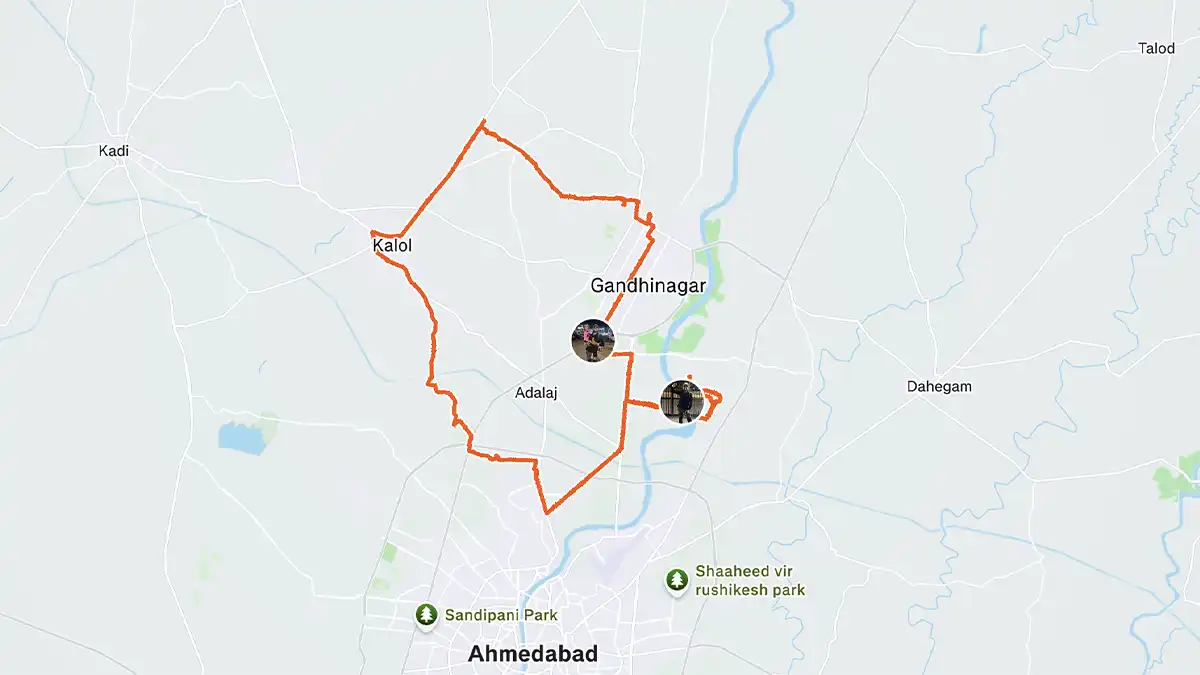
Location: Gandhinagar & Ahmedabad, Gujarat
Purpose within Vision 2026
- Test sustained muscular endurance over extended duration
- Evaluate joint resilience under repetitive impact
- Observe nutrition tolerance over long effort window
- Build mental steadiness under monotony
- Transition from event-based running to load-based endurance
Route & Distance
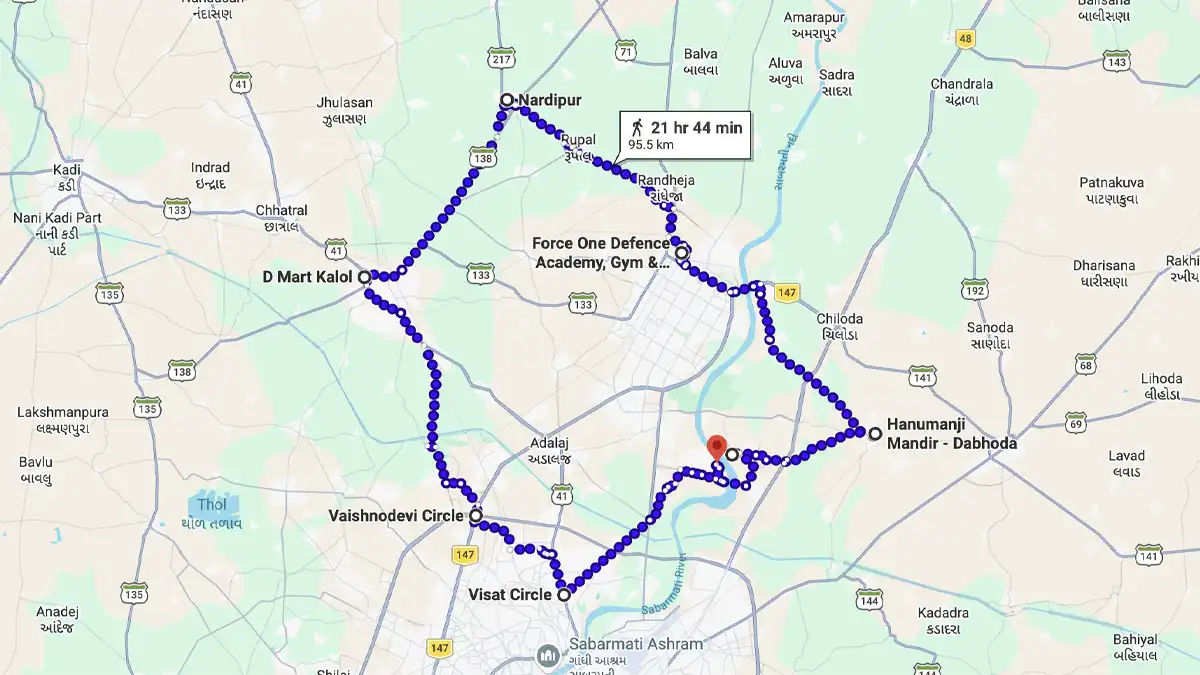
Total Distance: 100 KM
Estimated Duration: ~21–22 Hours
Format: Continuous walk with controlled breaks
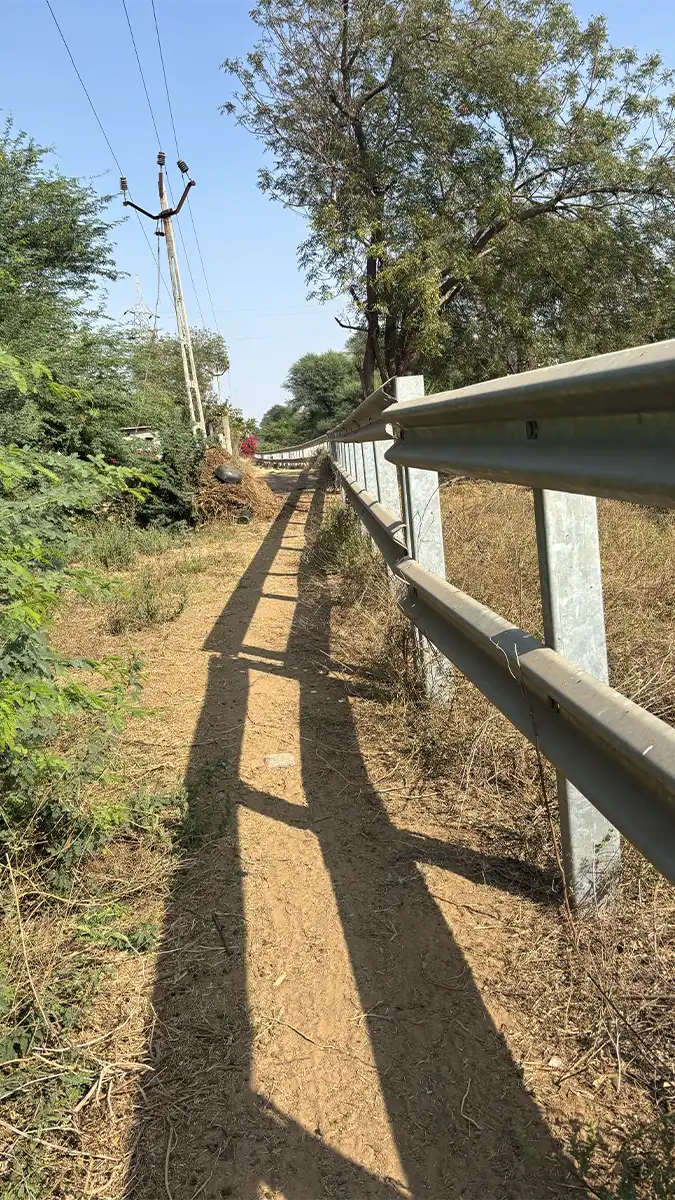
The route spans semi-urban and rural stretches across Gujarat, in varied terrain surfaces and long uninterrupted segments. The loop format allows structured hydration and monitoring checkpoints.
This route introduces real-world unpredictability, traffic, weather shifts, surface inconsistencies, and fatigue accumulation without external event structure.
Execution
Load & Execution Strategy
This effort prioritises durability over pace.
Execution priorities:
- Controlled early rhythm
- Conservative pacing in first 30 KM
- Scheduled hydration intervals
- Structured calorie intake every 60–90 minutes
- Foot care monitoring at defined checkpoints
- Minimal extended sitting breaks
The key variable is time under load, not speed.
Physical Focus Areas
This walk specifically targets:
-
Ankle and knee structural tolerance
-
Hip stability under repetitive gait
-
Lower back endurance
-
Foot fatigue resistance
-
Glycogen management over long duration
Unlike running, prolonged walking exposes different muscular stress patterns and often reveals weaknesses masked during shorter race efforts.
Environmental Variables
-
Surface variability (road, semi-rural stretches)
-
Temperature progression through day
-
Sleep deprivation element (if extended into night)
-
Limited external crowd stimulation
The absence of race-day adrenaline makes this a more honest systems test.
WHO Notes on Long Duration Walking
Performance Data
Gallery
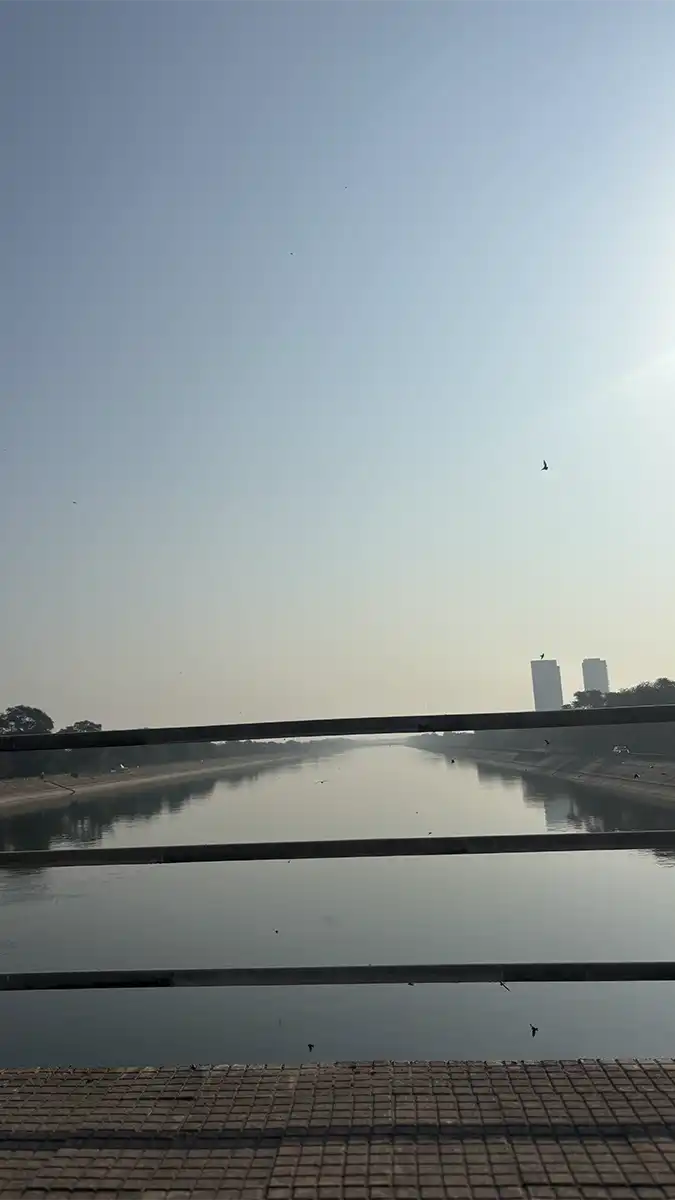
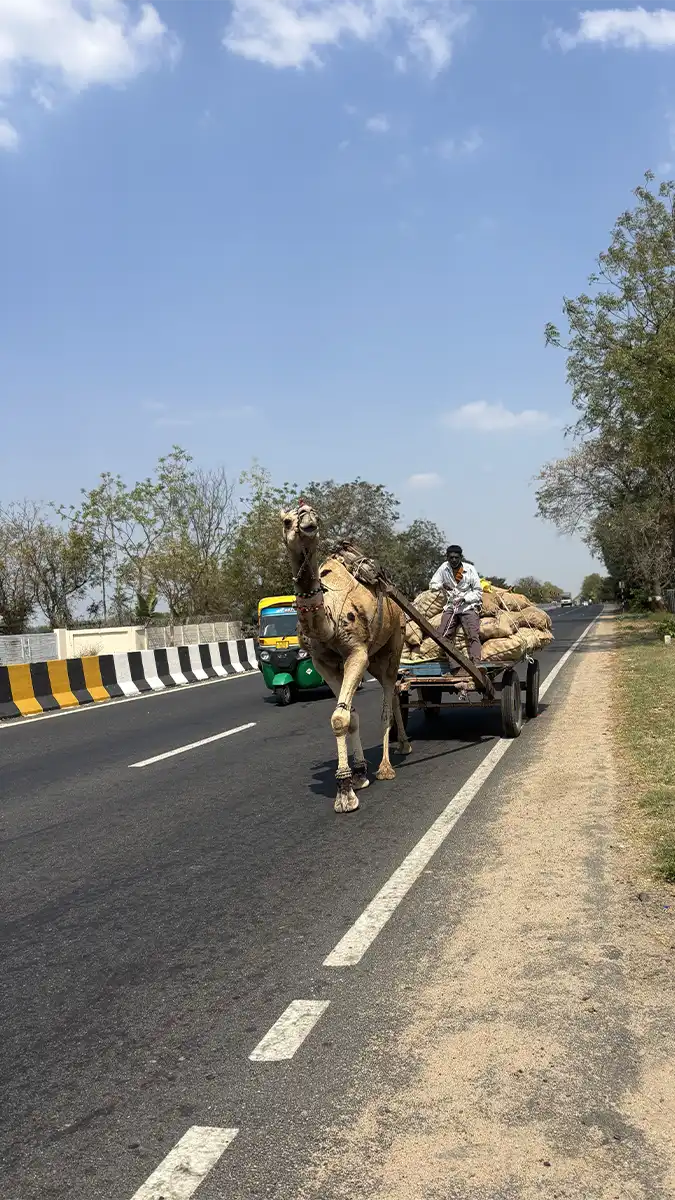
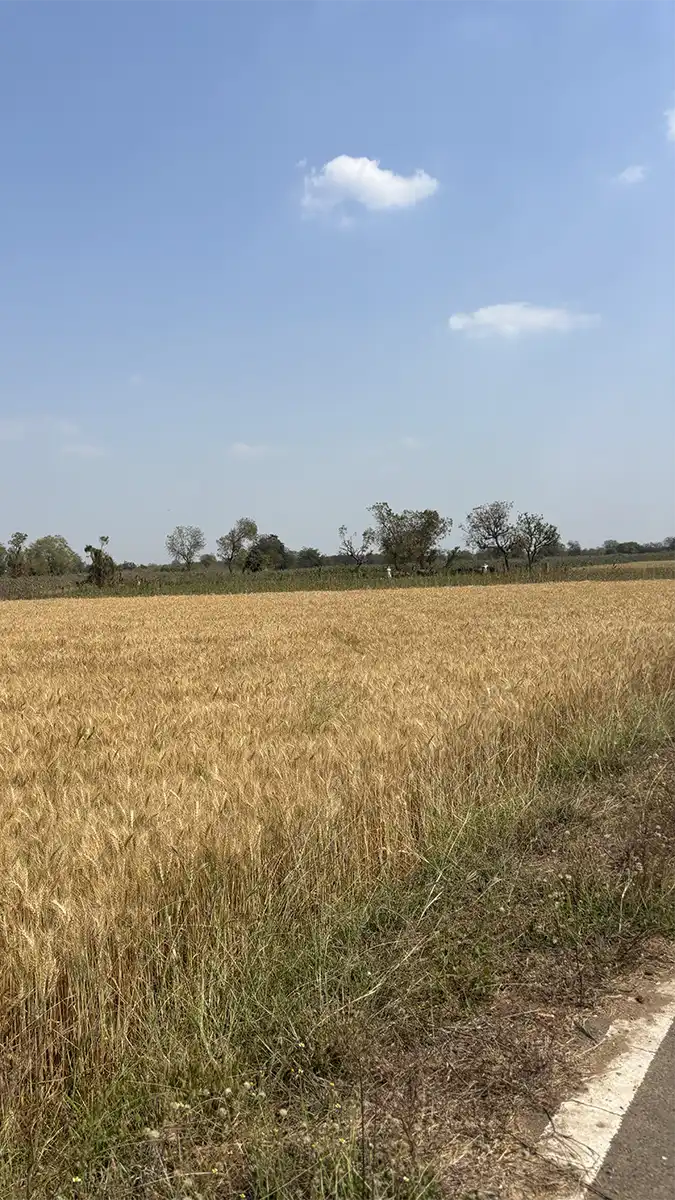

Field Notes – 100 Kilometers Alone
There was no external control.
It was just me with me for 100 kilometers.
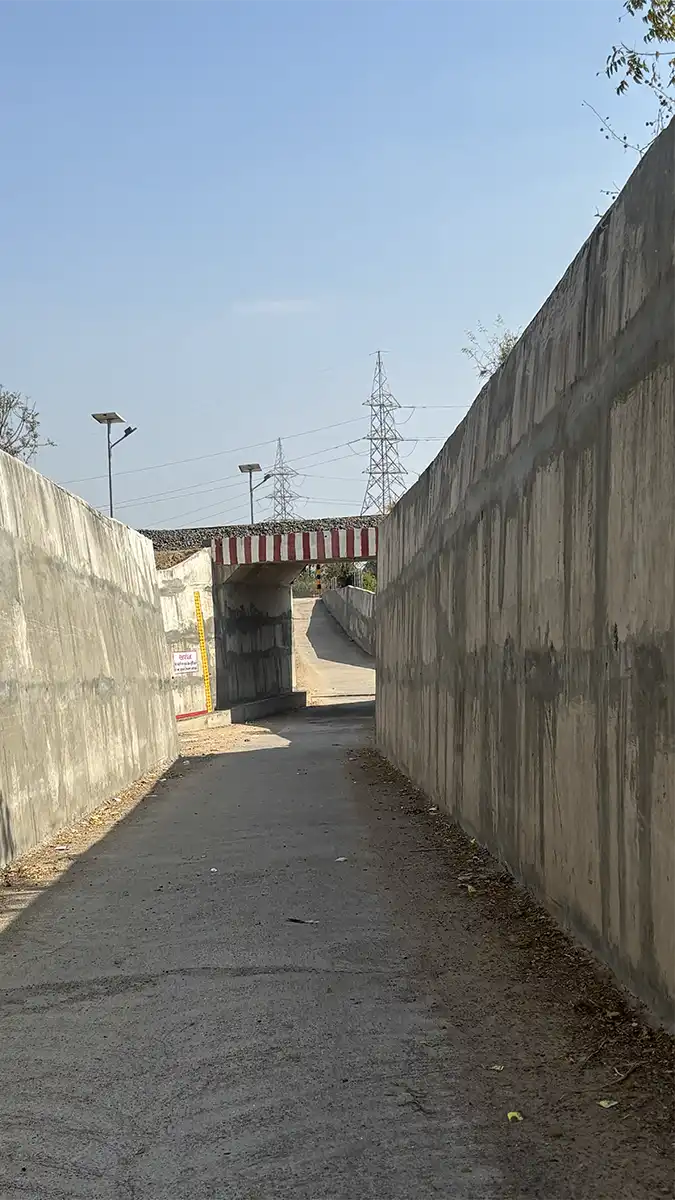
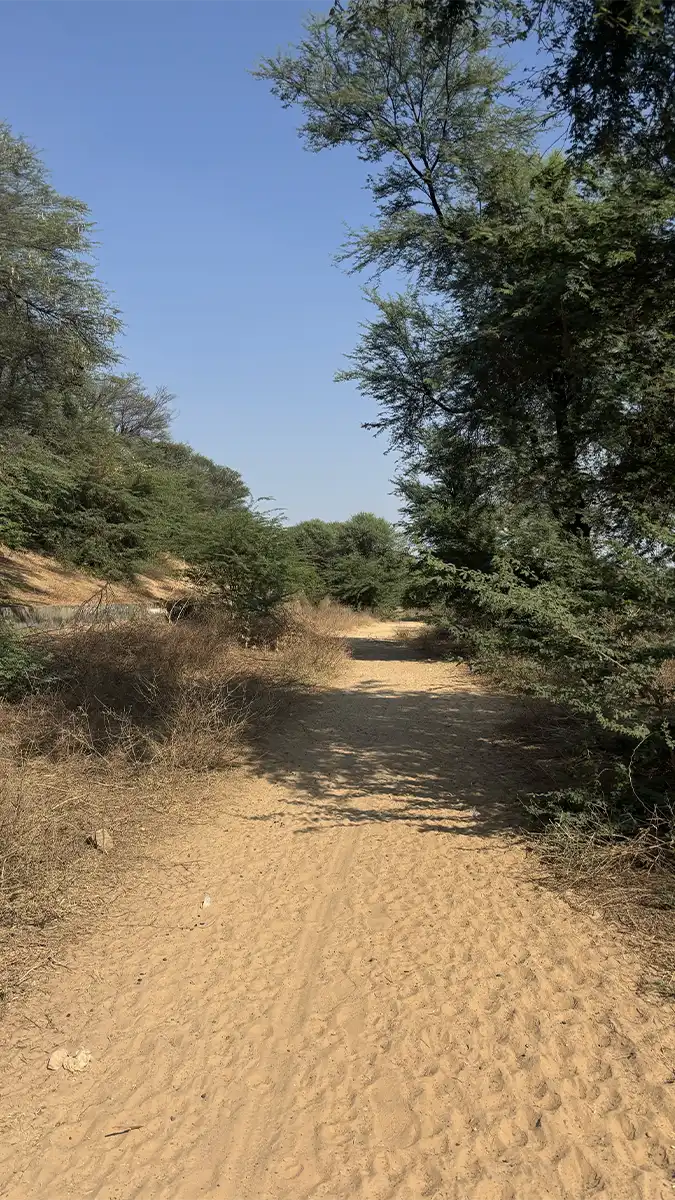
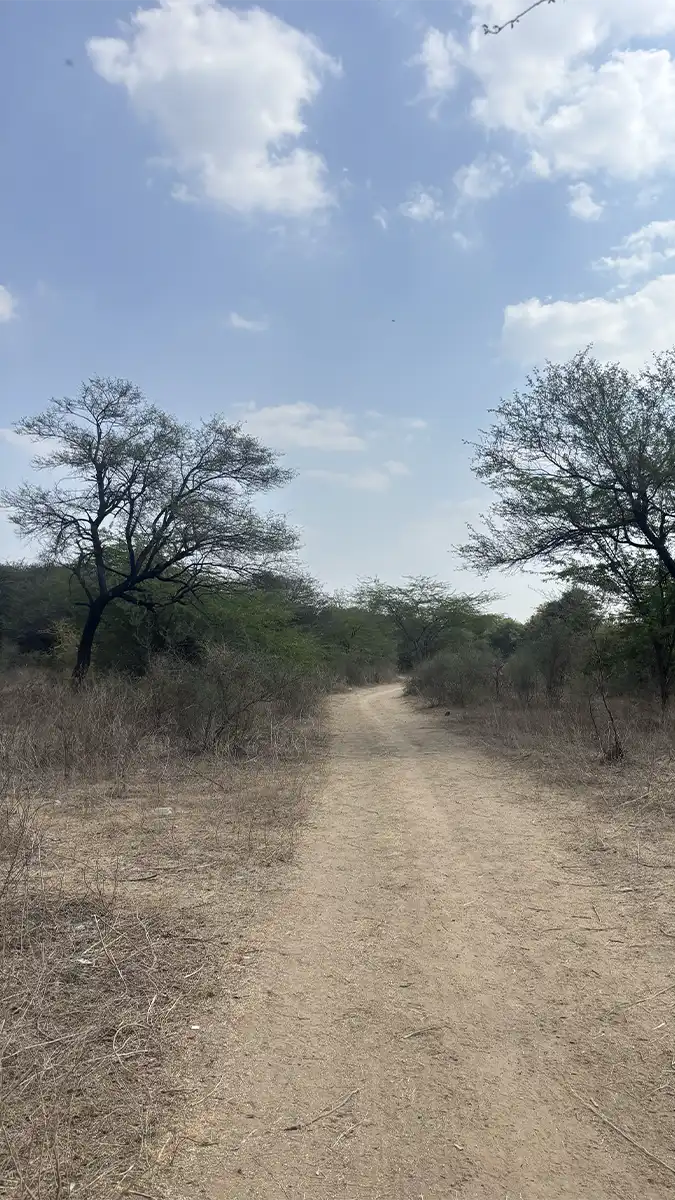
I chose a circular route around Gandhinagar with one clear intention, to complete the 100 km milestone. The plan was executed almost exactly as designed.
The first major halt came at 48 km, just before Nardipur. Around noon, I felt mild dizziness. I stopped immediately, sat under a tree, and reset for seven to nine minutes. No panic. Just correction.
At Force One Academy, a brief 10-minute stop. Socks changed. Bananas eaten. Water refilled.
After 66km instead of Chiloda and Dabhoda, I adjusted the route due to aggressive stray dogs. The detour reduced unnecessary risk.
The defining moment came near 80 km at Kudasan when a blister under my left toe burst. From there onward, the walk shifted into mechanical discipline.. shorter steps, controlled breathing, steady rhythm.
The longest kilometer was not the first.
It was from 99 to 100.
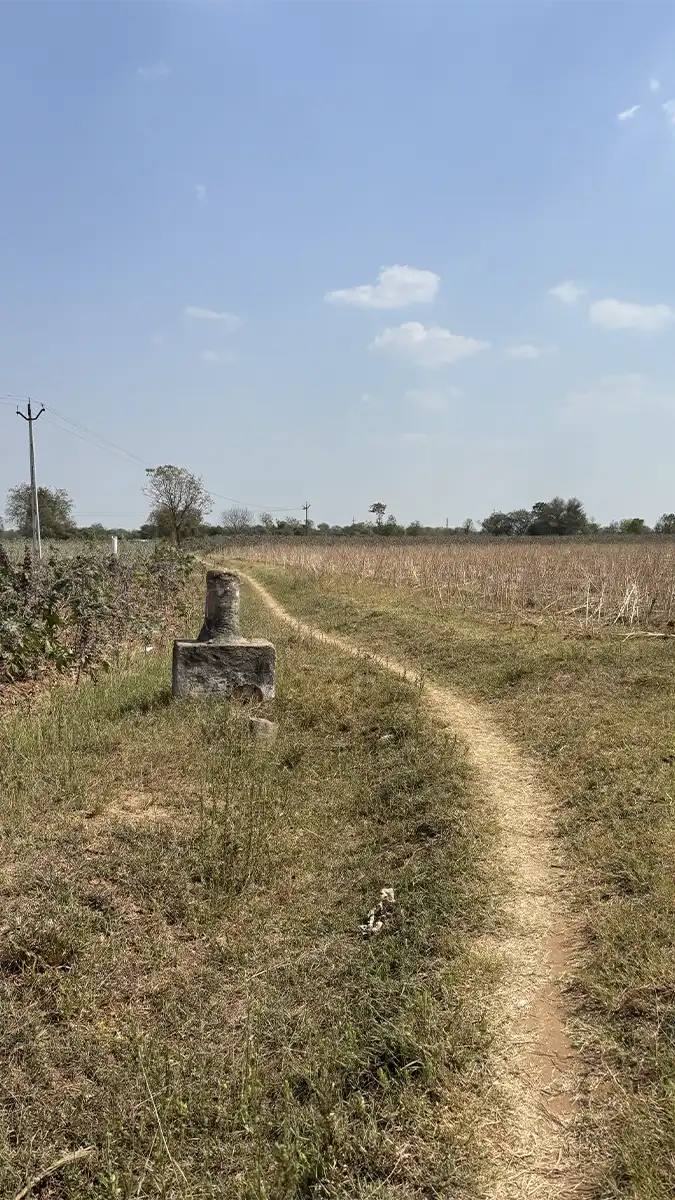
Google Maps misdirected me in a few stretches, but local villagers guided me back. Some rural soil paths turned into an advantage, softer ground, deeper silence.
Except for the blisters, there was no calf, thigh, or ankle pain. The next morning, I was able to walk normally.
This was never about speed.
It was about execution.
About holding structure for 21 hours and 30 minutes.
And finishing what was started.
Why This Effort Matters
The 100km Strength Walk is not public. It is not timed by event organisers. It does not provide medals or certificates.
It exists to remove illusion.
Sustained effort over nearly 100 kilometres reveals structural truth. Weakness cannot be hidden behind race excitement. The body either holds or it does not.
This effort reinforces the discipline standard set at the beginning of 2026.
Transition to Next Phase
Completion of the 100km Strength Walk transitions directly into focused Everest Marathon preparation.
And now, training volume and recovery bandwidth are fully focussed toward structured marathon-specific conditioning, altitude adaptation strategy, and pacing refinement.
The next competitive checkpoint will be the Full Marathon scheduled for March 21, 2026, serving as a calibrated progression toward the Everest Marathon.
Each expedition in 2026 builds sequentially. Nothing stands alone.